
2D Search
Sketch the part you are looking for or have a photo described in text form
Create image description with AI
Drop file hereor
Supported file formats: .PNG, .JPG, .JPEG, .WEBP

Creating digital twins – making your products available digitally

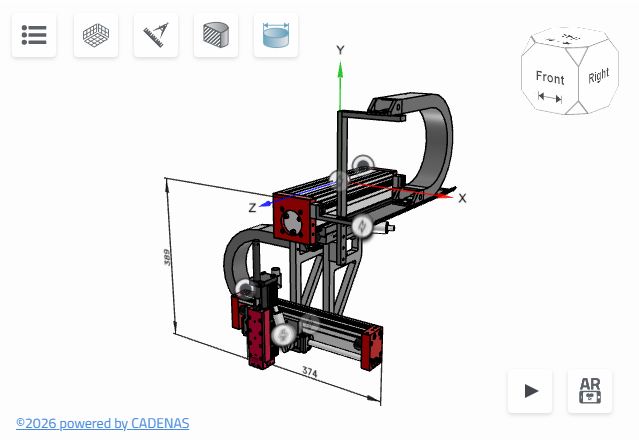
We support manufacturers in preparing their products as digital twins and making them available in all common CAD, CAE, and BIM formats. This ensures that your components are taken into account early on in projects, giving you a decisive competitive advantage.

Digital twins in practice

The automotive industry is one of the pioneers in the field of end-to-end data consistency.
They are trying to motivate their suppliers by raising awareness of why major car manufacturers need digital twins.

More information on the SAP / BMW project

Which systems work with the CADENAS Digital Twin?

Frequently asked questions about Digital Twins

What is a Digital Twin?
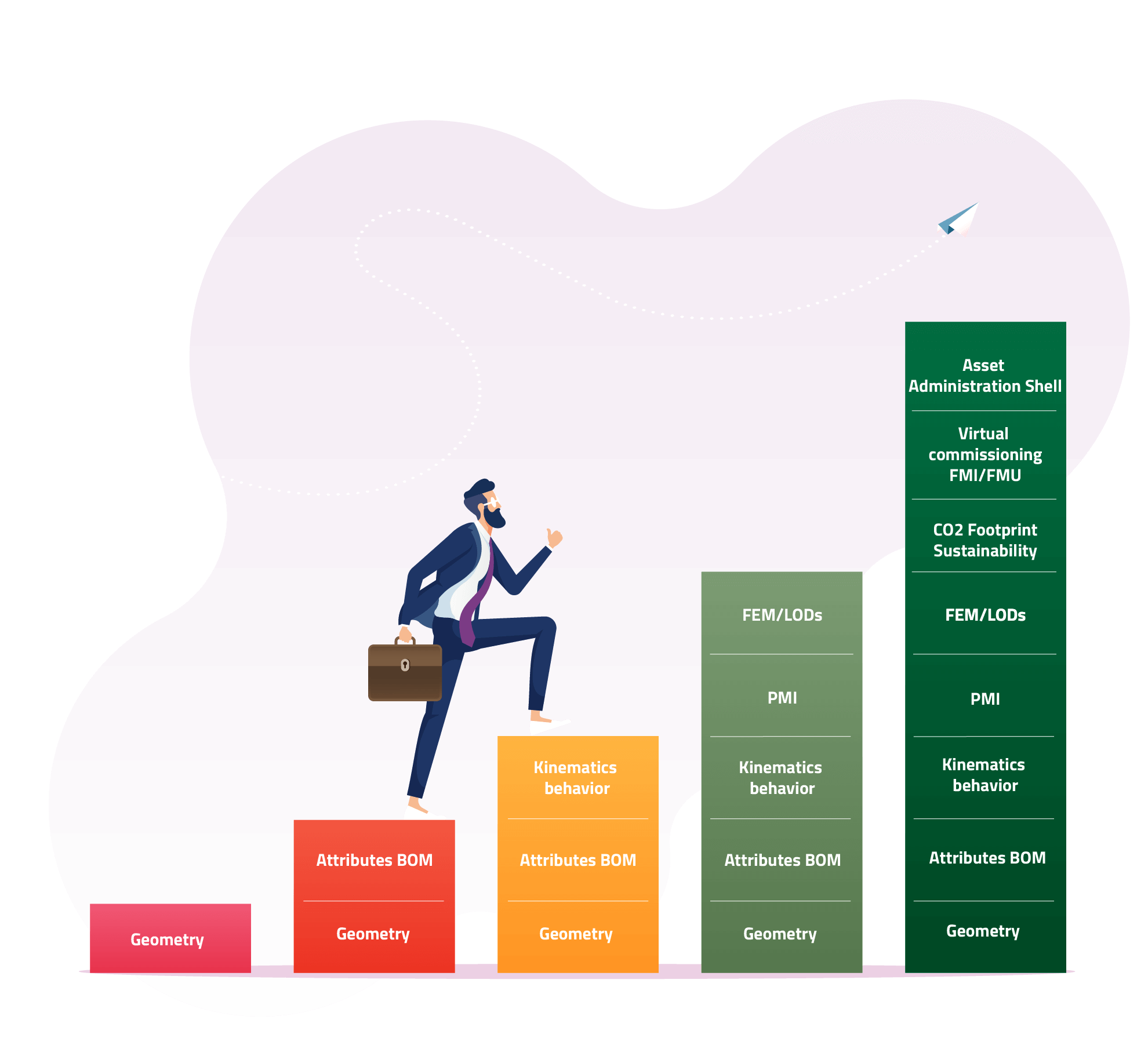
A Digital Twin is the digital representation of a physical product, machine, or plant. In addition to geometry, it also contains additional information such as material, behavior, and kinematics, enabling simulation and optimization.
What is the difference between a CAD model and a Digital Twin?
A CAD model primarily depicts the geometry. A Digital Twin goes much further: it supplements this geometry with metadata, behavior, and lifecycle information so that it can be used for simulation, operation, and maintenance.
Why are Digital Twins important for manufacturers?
Manufacturers can use Digital Twins to place their products in projects at an early stage, meet customer requirements, and increase their visibility among designers, planners, and OEMs. They also accelerate development processes and reduce costs.
In which industries are Digital Twins used?
Digital Twins are established in many areas, such as mechanical engineering, the automotive industry, aerospace, construction, and robotics. They are used wherever products are developed, simulated, or integrated into complex systems.