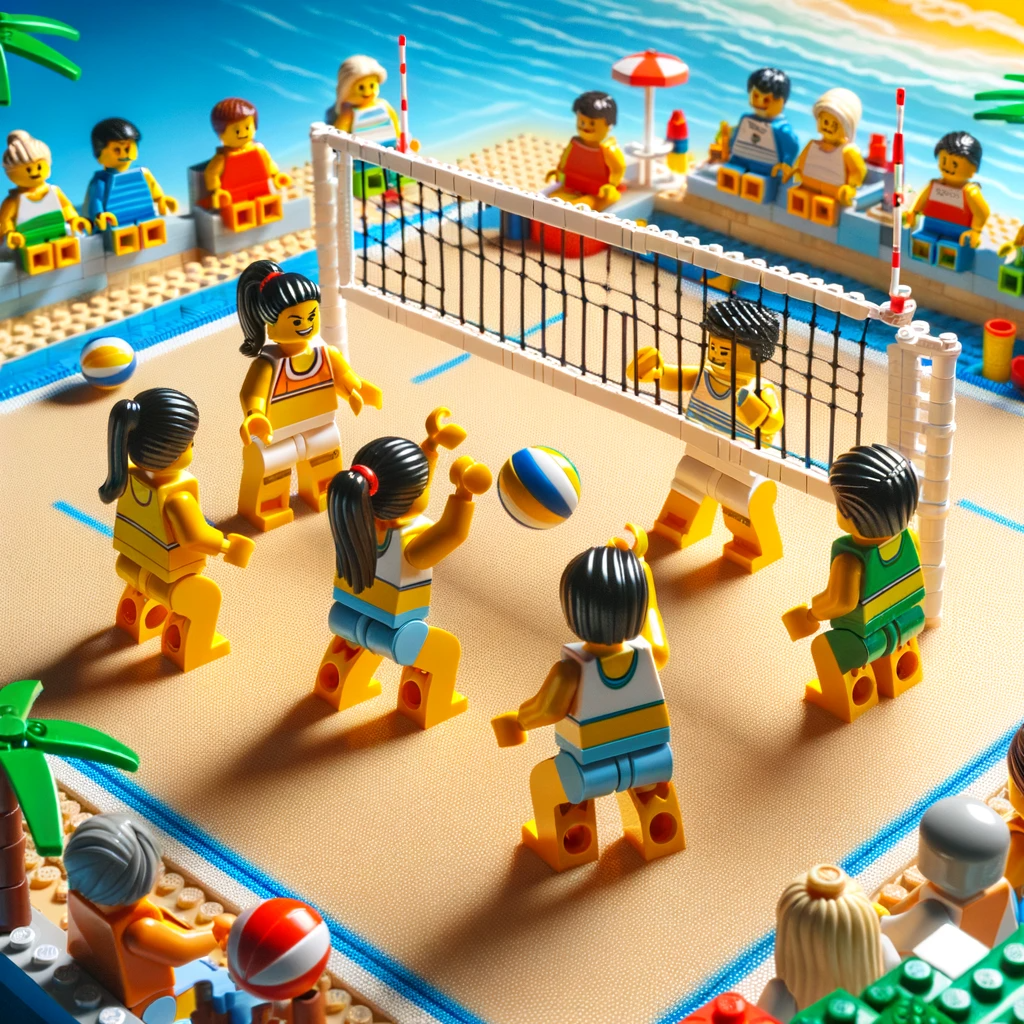
When building a beach volleyball court, you will need various components, including sand, volleyball nets and possibly other accessories. Here are some types of manufacturers or suppliers you might consider:
-
Sand suppliers: Beach volleyball courts require special sand that is soft and not too fine-grained. Builders merchants or specialist sports court suppliers often offer suitable sand.
-
Net manufacturers: There are many manufacturers who specialize in sports equipment and offer volleyball nets in different quality levels. Make sure you choose a weatherproof and hard-wearing net.
-
Line marking: You can either use special marking tape or paint to mark the boundaries of the court. You can find these products at sports equipment suppliers or DIY stores.
-
Lighting manufacturer: If you want to be able to use the court in the evening, you will need suitable lighting. Manufacturers of outdoor lighting or special sports field lighting companies can offer suitable solutions here.
-
Seating and sun protection: Seating and sun protection may be important for spectators and players. Suppliers of garden furniture or outdoor facilities offer a variety of options here.
-
Equipment manufacturers: For balls and possibly other sports equipment such as referee chairs, you can turn to sports stores or specialized online retailers.
-
Local tradesmen: For the initial construction work and installation of equipment, local builders or tradesmen can be helpful.
It is advisable to compare prices and products from different suppliers and pay attention to the quality and durability of the materials. Customer reviews or recommendations can also play a role in the decision.
Building an indoor beach volleyball court is somewhat more complex than building an outdoor court, as additional aspects such as ventilation and lighting need to be taken into account. Here are the most important steps:
-
Site selection and space requirements: Choose a suitable hall that is large enough for the court and additional space around the court. The standard size of a beach volleyball court is 16 x 8 meters, plus space for free movement all around.
-
Ground preparation: The ground must be level and firm to support the sand. It may be necessary to install a special sub-base to support the structure and ensure proper drainage.
-
Sand: As with an outdoor court, you will need special sand. For indoor courts, it is particularly important that the sand is low in dust to maintain air quality. A layer of around 40 cm is recommended.
-
Net and lines: Install the volleyball net and mark the court boundaries. Make sure the net and posts are securely fastened.
-
Lighting: Good lighting is crucial for indoor sports courts. Lighting should be even and not cause glare.
-
Ventilation and air conditioning: Make sure the hall has an efficient ventilation system to ensure a comfortable playing environment.
-
Additional equipment: Consider whether you need additional equipment such as changing rooms, showers, spectator areas or a small grandstand.
-
Maintenance: Plan for regular maintenance of the sand and equipment. In an indoor environment, the sand may require less maintenance than outdoors, but should be cleaned and loosened regularly.
-
Permits and Safety regulations: Check all local regulations and safety standards that apply to indoor sports facilities.
-
Professional help: It is advisable to consult with sports facility construction experts, especially when it comes to aspects such as ventilation and lighting.
Building an indoor beach volleyball court requires careful planning and consideration of specific conditions of the indoor environment. It is important to take time to plan and implement all aspects to create a safe and enjoyable playing environment.